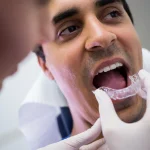

Have you ever considered why some teeth must be extracted? Recognizing the necessity for tooth extraction can assist you in making informed decisions to protect your teeth. Tooth extraction in Wellington is a safe, effective, and comfortable process for every patient.
Sometimes a tooth is removed to stop pain, prevent infection from spreading to other teeth and gums, and help keep your mouth clean. Knowing why dentists remove teeth can help you feel more ready for the procedure.
Severe Tooth Decay or Damage
One of the most common reasons for tooth extraction near you is severe decay or structural damage. When a tooth is broken or decayed beyond repair, restoration with a crown or filling may not be possible.
Signs that a tooth may need removal include:
- Intense or persistent pain
- Visible cracks or fractures
- Inability to chew without discomfort
- An infection that cannot be treated with root canal therapy
In these cases, pain-free tooth extraction for severely damaged teeth ensures you get relief while protecting your oral health.
Impacted or Problematic Wisdom Teeth
Wisdom teeth often do not have enough room to grow properly, leading to impaction or misalignment. This can cause:
- Swelling or discomfort in the back of the mouth
- Pressure on adjacent teeth
- Gum pain or infection
- Difficulty cleaning the area
For these situations, surgical tooth extraction for impacted wisdom teeth is often the recommended solution. A dentist will evaluate whether extraction is needed to prevent further complications.
Orthodontic Reasons
Sometimes teeth are removed to make room for straightening. Crowded teeth can cause bite problems, make cleaning harder, and increase the chance of cavities. Taking out one or more teeth can help braces or clear aligners work better.
Important points about orthodontic extractions:
- Usually, premolars are removed to create space.
- Helps prevent dental problems in the future
- Prevents teeth from overlapping or twisting
Infection or Gum Disease
Infections that reach the pulp or severe gum disease (periodontitis) can damage the supporting tissues and bone around a tooth. If the tooth cannot be saved, extraction becomes essential to prevent the infection from spreading.
Warning signs include:
- Persistent gum swelling
- Bad taste or odor in the mouth
- Loose teeth
- Severe sensitivity
A professional dental office near you can provide timely removal to prevent worsening infection and protect other teeth.
Trauma or Accidents
Teeth can get badly damaged from accidents, sports injuries, or falls. If a tooth is broken or completely knocked out and cannot be saved, it may need to be removed.
Benefits of removing a tooth after an injury:
- Reduces pain and swelling
- Prevents infection
- Prepares the area for future treatments, like implants or bridges
How Tooth Extraction Works
Modern tooth extractions are safe and easy:
- Check-up: The dentist in Wellington examines your teeth and may take X-rays
- Numbing: Local anesthesia or sedation keeps the procedure pain-free, even for badly damaged teeth
- Tooth removal: The dentist carefully takes out the tooth, using surgery if needed
- Aftercare: The dentist gives simple instructions for cleaning, managing pain, and eating to help you heal faster
Extractions can be simple or surgical, depending on whether the tooth is visible or impacted. Your dentist will explain the procedure and recovery process in detail.
Recovery and Care After Extraction
Proper care helps prevent complications and speeds up healing:
- Bite gently on the gauze to stop bleeding.
- Avoid drinking through straws or smoking for 24–48 hours.
- Stick to soft foods initially.
- Rinse gently with saltwater after the first day.
- Take prescribed pain medication as directed.
Most patients feel better within a few days, but full healing of the bone may take several weeks.
Protect Your Oral Health with Expert Care!
Do you need a tooth removed? Sometimes taking out a tooth is the best way to stop pain, infection, or crooked teeth. Seeing an experienced dentist makes the procedure safe, easy, and effective.
Book your appointment today with Soft Hands Dental and receive professional guidance, gentle care, and the right treatment to protect your smile and maintain healthy teeth for years to come!
Get Directions to Soft Hands Dental for Tooth Extraction in Wellington.
FAQs
When is it necessary to extract a tooth?
Tooth extraction should be conducted for severely damaged, infected, impacted and crowning teeth that might negatively impact oral health.
Is tooth removal a painful procedure?
No. Today’s dentistry provides the convenience of either local anesthesia or sedation to ensure painless tooth removal. Patients feel very little pain.
How long does it take to heal after a tooth extraction?
The gums usually start healing in 1–2 weeks, but the bone can take several weeks to recover fully. Following your dentist’s care instructions helps with healing.
What should you do after a tooth extraction?
Avoid smoking, eat soft foods, rinse gently with saltwater, and take any medicines your dentist recommends to prevent problems.