Are you missing teeth and looking for a way to get your smile back? Missing teeth can make it difficult to eat, speak, and smile with confidence. Dentures are a common option that helps replace missing teeth and improve both the look and function of your smile. Many people choose dentures in Wellington to feel more comfortable in their daily life.
Dentures are removable dental appliances designed to replace missing teeth. They can restore your smile, help you chew food properly, and support facial shape. Understanding the difference between full and partial dentures can help you choose the right option for your needs.
What Are Dentures?
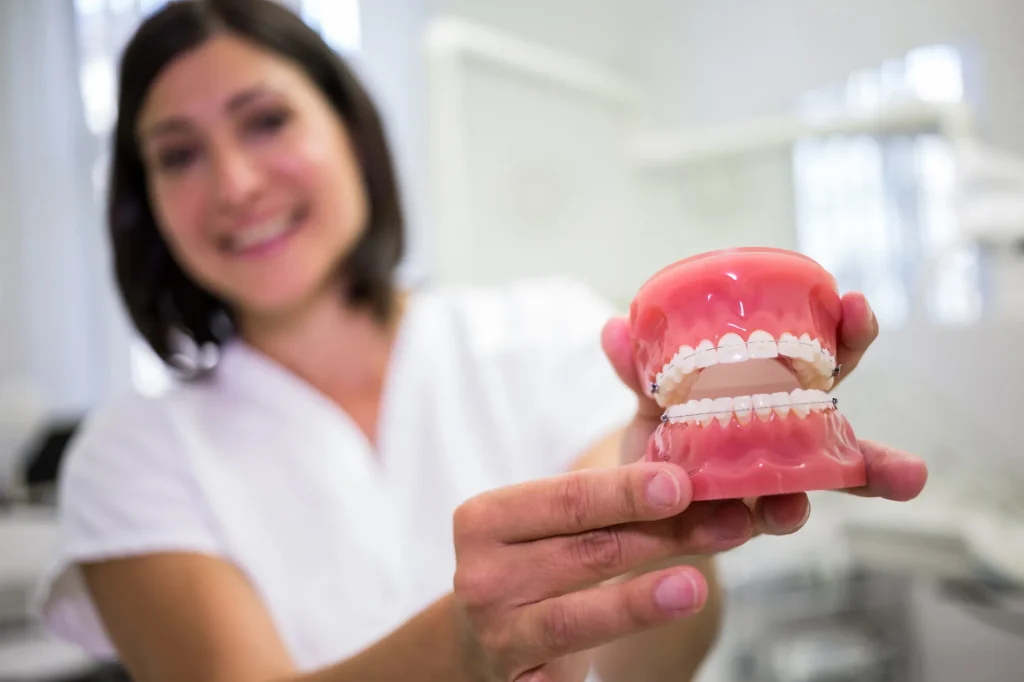
Dentures near you are custom-made artificial teeth that fit comfortably in the mouth. They are designed to replace missing teeth and surrounding tissue.
Dentures can help patients:
- Eat food more easily.
- Speak more clearly
- Improve facial appearance
- Restore confidence when smiling.
Modern dentures are designed to look natural and fit comfortably for daily use.
What Are Full Dentures?
Full dentures replace all the teeth in the upper jaw, lower jaw, or both. They are recommended for people who have lost most or all of their natural teeth.
Many patients choose affordable full dentures for missing teeth because they provide a complete replacement for an entire arch of teeth.
Full dentures include:
- A gum-colored base that sits on the gums
- A full set of artificial teeth attached to the base
- A custom design that fits the patient’s mouth
These dentures stay in place with suction or dental adhesive.
Benefits of Full Dentures
Full dentures offer several advantages:
- Restore the ability to chew many foods.
- Improve facial support and appearance.
- Provide a complete smile replacement.
- Help improve speech
They are a practical option for patients who no longer have natural teeth.
What Are Partial Dentures?
Partial dentures are used when some natural teeth remain. They fill the gaps created by missing teeth while keeping the remaining teeth in place.
Many people use partial dentures to replace multiple teeth because they help restore function without removing healthy teeth.
Partial dentures usually include:
- Replacement teeth attached to a base.
- Small connectors or clasps that attach to natural teeth
- A removable structure designed for easy cleaning
These dentures help prevent nearby teeth from shifting into empty spaces.
Benefits of Partial Dentures
Partial dentures provide several helpful benefits:
- Replace multiple missing teeth.
- Help maintain proper tooth alignment.
- Improve chewing ability
- Support natural speech
They are often recommended when several teeth are missing, but not all.
Full Dentures vs Partial Dentures
Both options help restore your smile, but they are designed for different situations.
| Feature | Full Dentures | Partial Dentures |
| Teeth replaced | Entire arch | Only missing teeth |
| Natural teeth remaining | None | Some teeth remain |
| Support | Rest on gums | Attach to existing teeth |
| Structure | Complete set | Smaller removable appliance |
| Purpose | Replace all teeth | Fill gaps between teeth |
A dental professional can help determine which option is best for your situation.
Who May Need Dentures?
People may require dentures for different reasons, including tooth loss due to decay, injury, or gum disease.
A dentist in Wellington may recommend dentures if a patient experiences:
- Multiple missing teeth
- Difficulty chewing food
- Changes in facial appearance due to tooth loss
- Shifting teeth caused by empty spaces.
Replacing missing teeth early can prevent additional oral health problems.
How Dentures Improve Daily Life
Dentures do more than replace teeth. They also help restore normal mouth function.
Patients often notice improvements in:
- Chewing comfort
- Speech clarity
- Smile confidence
- Overall facial support
Many people find that properly fitted dentures make daily activities easier and more comfortable.
How Are Dentures Made?
Creating dentures requires several steps to ensure they fit properly.
A dental office near you typically follows this process:
- Dental examination: The dentist checks your mouth and discusses treatment options.
- Impressions of the mouth: Molds are taken to create custom dentures.
- Design and fitting: Dentures are created and adjusted for comfort.
- Final placement: The finished dentures are placed and checked for proper fit.
Follow-up visits may be needed to adjust the dentures after the patient begins wearing them.
Tips for Adjusting to New Dentures
Wearing dentures can take some getting used to. It usually only takes most people a few weeks to adapt.
Helpful Tips.
- Start with soft foods
- Speak Slowly Practice.
- Use your denture regularly to adapt more easily and quickly.
- Cleaning instructions must be followed carefully.
Dentures will feel more comfortable with time.
Restore Your Smile With Trusted Dental Care!
Missing teeth can affect your comfort and confidence, but dentures provide a reliable way to restore your smile. Whether you need full or partial dentures, professional care ensures the best fit and long-term results.
If you are considering dentures, schedule a consultation with Soft Hands Dental today. Their experienced team will help you explore your options and find the best solution for a healthy and confident smile.
Get directions to Soft Hands Dental in Wellington to learn about full and partial dentures and find the best tooth replacement option for restoring your smile and oral function.
FAQs
What is the difference between full and partial dentures?
Full dentures replace all the teeth in the upper or lower jaw, while partial dentures replace only a few missing teeth. Partial dentures attach to remaining natural teeth, while full dentures rest directly on the gums.
How long do dentures typically last?
Most dentures last between five and ten years with proper care. Over time, natural changes in the mouth may require adjustments or replacement to maintain a proper fit.
Are dentures comfortable for daily use?
Yes. Modern dentures are designed for comfort and natural movement. While there may be a short adjustment period, most people quickly become comfortable wearing them throughout the day.
How should dentures be cleaned and maintained?
Dentures should be removed and cleaned daily using a soft brush and denture cleaner. They should also be soaked overnight in water or a denture solution to keep them fresh and prevent drying.